WTM Logistics

21 Aug

Hot Shot Trucking vs. LTL: How to Choose the Right Shipping Method for Your Business.

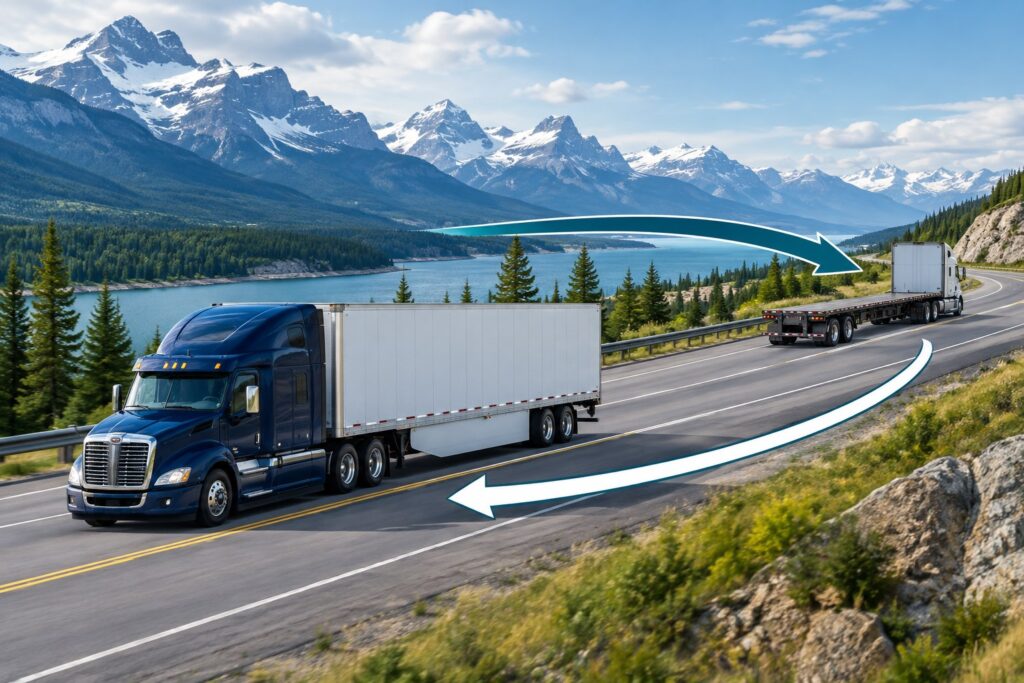
Hot Shot Trucking vs. LTL โ€” WTM Logistics WTM LOGISTICS BLOG & INSIGHTS DOC NO. WTM-2026-014 Shipping methods Hot shot trucking vs. LTL: how to choose the right shipping method for your business When a shipment absolutely has to move now, the choice between hot shot trucking and standard Less-Than-Truckload freight can make the difference between a satisfied customer and a costly delay. Lane comparison โ€” dedicated vs. consolidated routing Hot shot Origin Destination โ€” direct LTL Origin Consolidated stops Destination One truck, no stops, fastest transit โ€” versus one route, several shippers, lowest cost per pound. What is hot shot trucking? Hot shot trucking is a dedicated, point-to-point delivery service. A single truck is assigned to your load exclusively, with no intermediate stops and no consolidation with other shipments. This makes it the go-to option for: Time-critical industrial parts that could shut down a production line if they arrive late Oilfield and construction equipment needed at a job site on a fixed schedule Medical and laboratory shipments where delays carry real consequences Last-minute orders that missed the standard freight cutoff Because the truck is dedicated to one shipment, transit times are faster and more predictable โ€” but that speed and exclusivity come at a higher per-shipment cost. What is LTL freight? Less-Than-Truckload shipping consolidates multiple customers’ freight onto a single trailer, with the truck making several stops along a scheduled route. This is the more economical choice for: Routine restocking and replenishment shipments Larger volumes that don’t require exclusive use of a truck Shipments with flexible delivery windows Businesses looking to control shipping costs on recurring lanes LTL is built around efficiency rather than speed โ€” your freight shares space and cost with other shippers, and delivery windows are scheduled rather than guaranteed to the hour. Key differences at a glance FactorHot shotLTL SpeedFastest โ€” direct and dedicatedStandard โ€” scheduled, multi-stop CostHigher, priced for exclusivityLower, cost shared across shippers Best forUrgent, time-critical loadsRoutine, planned shipments SchedulingOn-demand, often same-dayFixed regional routes How to decide which one you need Ask yourself three questions before booking: How much does timing actually matter?If a delay of even a few hours creates a real operational or financial problem, hot shot is worth the premium. How large is the shipment?Hot shot trucks are typically better suited to smaller, urgent loads rather than full pallets destined for routine delivery. Is the destination on a regular route?If you’re shipping along an established corridor with predictable volume, LTL usually offers better value. Many businesses use both services strategically โ€” LTL for planned, recurring freight, and hot shot as a safety net for the shipments that simply can’t wait. Western Canada’s unique shipping challenges. Shipping across Alberta, BC, and into the NWT comes with its own considerations: long distances between hubs, seasonal weather that can affect transit times, and remote or northern destinations that fewer carriers are equipped to serve reliably. A logistics partner with established corridors โ€” and the fleet flexibility to move between scheduled LTL routes and dedicated hot shot dispatch โ€” gives businesses more control over how their freight moves, regardless of urgency. The bottom line Neither service is inherently better โ€” they’re built for different jobs. Hot shot trucking prioritizes speed and reliability for urgent, high-stakes shipments. LTL prioritizes cost efficiency for freight that can move on a set schedule. The right call comes down to how time-sensitive your shipment is and how much flexibility you have on delivery windows. Next step Not sure which lane fits your shipment? Request a rate quote โ†’ WTM Logistics โ€” Western Canada wtmlogistics.com

Explore More
21 Aug

White glove freight Lloydminster to Calgary

Freight Operations & Specialized Services Specialized White Glove Freight & Tailgate Transport: Lloydminster to Calgary How precision handling, dedicated equipment, and synchronized terminal hubs eliminate transit risks across Albertaโ€™s key commercial corridors. Key Operational Takeaways Direct Corridor Integration: Connecting Lloydminster through the Yellowhead Corridor (Hwy 16) to Edmonton, feeding daily line-hauls down Highway 2 (QEII) to Calgary. Beyond-the-Dock Service: Room-of-choice placement, blanket wrapping, precision uncrating, and full dunnage/debris haul-away. Dockless Independence: Fully equipped 5-ton straight trucks with 2,000+ lb hydraulic power tailgates and air-ride suspension. The Shift Beyond Standard Dock-to-Dock Freight Standard Less-Than-Truckload (LTL) carriers excel at moving standard palletized freight between concrete loading docks. However, when high-value medical hardware, sensitive industrial instrumentation, commercial kitchen modules, or fragile technology systems require transport from Lloydminster to Calgary, standard dock drops create critical operational friction. Commercial facilities, cleanrooms, and retail locations often lack loading docks or on-site forklifts. In these environments, cargo cannot simply be dropped at the curb or left on a loading apron. White glove logistics bridges this gap by combining heavy freight capability with careful, room-of-choice positioning. Corridor Route Architecture: Lloydminster to Calgary Ensuring cargo integrity over a 550+ km cross-provincial transit requires a structured transport route: 1. Eastern Yellowhead Pickup (Lloydminster Hub) Local straight trucks secure freight directly from manufacturing plants, commercial centers, or energy service facilities across Lloydminster, Vermilion, and Wainwright. 2. Terminal Cross-Dock Staging (Edmonton / Nisku Hub) Shipments travel west along Highway 16 to our central cross-dock hub in Nisku/Edmonton. Here, pallets and crates are staged within climate-controlled, secure staging bays rather than sitting in unattended trailers. 3. QEII High-Frequency Line-Haul (Edmonton to Calgary) Freight connects seamlessly with our daily scheduled line-hauls down Highway 2, arriving at the Calgary terminal for scheduled final-mile delivery across the Greater Calgary Area (including Airdrie, Balzac, and Foothills Industrial Park). 4. Dedicated Direct Hot-Shot (On-Demand Alternative) For time-critical shut-down components or emergency hospital equipment, dedicated 1-ton and 3-ton flat decks or straight trucks bypass intermediate terminals for continuous point-to-point hot-shot delivery. Service Comparison: Standard LTL vs. WTM White Glove Service Parameter Standard Freight Carrier WTM White Glove Logistics Delivery Point Loading dock / Exterior curb only Inside room-of-choice placement Offloading Assets Requires receiver forklift/dock Hydraulic power tailgate (2,000+ lb) Cargo Protection Standard shrink-wrap on wood pallet Padded blankets, air-ride, reinforced strapping Debris & Uncrating Receiver’s responsibility Complete uncrating & 100% dunnage removal Appointment Precision Multi-hour or open delivery windows Strict time-specific delivery appointments Technical Equipment & Site Preparedness Operating a seamless white glove route demands dedicated rolling stock and specialized rigging gear: Air-Ride Suspension: Neutralizes vibration and road shock over Highway 16 and Highway 2, safeguarding sensitive optical lenses, electronics, and precision machine calibrations. Dockless Power Tailgates: Heavy-duty hydraulic lift gates allow smooth transitions from trailer bed height down to ground grade without sudden drops or tilting. Indoor Moving Rigs: Non-marking rubberized pallet jacks, multi-directional dollies, and threshold ramps ensure interior floors and thresholds remain protected. Protective Packaging & Debris Clean-Up: Once positioned, our crews remove all transport banding, cardboard, and wooden crating, leaving your facility ready for immediate operation. Frequently Asked Questions Does WTM Logistics provide inside white glove delivery from Lloydminster to Calgary? Yes. We handle end-to-end transport including inside room-of-choice placement, uncrating, light positioning, and full dunnage removal across commercial, medical, and industrial sectors. How does freight route between Lloydminster and Calgary? Shipments move along Highway 16 into our Edmonton cross-dock terminal and transition directly onto our daily scheduled Highway 2 (QEII) line-haul into Calgary. Direct hot-shot runs are also available for non-stop express deliveries. What tailgate lifting capacity is available for dockless facilities? Our 26-foot 5-ton straight trucks are equipped with heavy-duty 2,000 lb to 3,000 lb hydraulic power tailgates, complete with safety rails and ground handling gear. Book Specialized Freight & White Glove Transport Need high-touch freight movement, tailgate offloading, or scheduled line-haul between Lloydminster, Edmonton, and Calgary? Get an instant rate quote from our dispatch desk. Request a Specialized Freight Quote

Explore More
Less Than Truckload Edmonton
18 Jun

How Manufacturers Use LTL Freight to Optimize Supply Chains

Here’s a fact that might surprise you: many manufacturers are paying for truck space they never use. Booking a full truckload when your shipment only fills a third of the trailer is like renting a three-bedroom house for one person. You’re covering costs that don’t need to exist. Smart manufacturers figured this out years ago, and they switched to Less Than Truckload in Edmonton and beyond to make their supply chains leaner and faster. If you run a manufacturing operation and you’re still defaulting to full truckload for every outbound shipment, this post will show you what you’re leaving on the table. H2: What LTL Freight Actually Does for Manufacturers Less-than-truckload (LTL) freight lets manufacturers ship smaller loads without paying for an entire truck. Your goods share space with other shippers’ cargo, and everyone pays only for the portion of the trailer they use. The result is lower per-shipment costs and more flexibility in how often you ship. For manufacturers, this flexibility is a real advantage. Instead of waiting until you have enough product to justify a full truck, you can ship smaller quantities more frequently. That keeps your customers supplied and your warehouse from getting overloaded with finished goods waiting for a big enough load to move. H2: H2: Reducing Inventory Pressure with Frequent Smaller Shipments One of the biggest challenges for manufacturers in the supply chain process is managing the pressure that comes with excessive inventory. When you’re limited to making large shipments, you’re forced to hold more inventory than you need. This can be costly and inefficient, especially when your sales fluctuate. With LTL shipping, manufacturers are able to make more regular and consistent shipments. This approach to shipping, known as lean shipping, can help manufacturers better manage their inventory and reduce the burden on their warehouses. H3: H3: Matching Shipment Frequency to Production Schedules Not all manufacturers have production processes that lend themselves to truckload shipping. A manufacturer that operates at a daily or weekly production cycle may benefit from shipping at the same frequency. With LTL freight, manufacturers are able to do just that without breaking the bank. Shipping in sync with your production process also reduces the lag between when your goods are manufactured and when they’re delivered to the end consumer. This can help improve your reputation as a reliable manufacturer. H2: How LTL Supports Multi-Stop Distribution Networks Many manufacturers supply multiple customers, distributors, or retail locations from a single facility. Managing outbound freight to a dozen different destinations gets complicated quickly. LTL carriers handle multi-stop distribution efficiently, consolidating shipments through their freight networks to reach multiple endpoints without requiring a separate truck for each stop. This is a true operational advantage. Rather than coordinating several full truckload moves, the manufacturer can deliver smaller, properly labeled pallets to the LTL carrier and let their network optimize the moves. Reduced coordination requirements mean your logistics team can focus on other priorities. H3: Less Than Truckload in Edmonton for Regional Distribution Edmonton is a key crossroads for distribution to the western provinces. Manufacturers with operations in and around the Edmonton region can utilize less-than-truckload in Edmonton to service customers across Alberta, to northern destinations, and out to British Columbia to the west. A strong LTL carrier provides manufacturers with access to a wide network of delivery services without the need to maintain their own fleet. Regional LTL service also allows manufacturers to respond faster to regional demand spikes. If one area orders more product in a given week, you can ship there quickly without waiting to consolidate a full load. H2: Cost Control and Predictable Freight Spending Budget predictability is an issue of concern to all manufacturing businesses. Full truckload pricing can fluctuate substantially depending on market conditions, available drivers, and fuel costs. Less-than-truckload pricing, despite being subject to fuel surcharges, tends to be more predictable since carriers distribute costs over multiple shippers per load. Manufacturers who use LTL freight services tend to have a regular relationship with carriers, which enables them to negotiate a contract rate. This provides a predictable pricing model, which can be beneficial in terms of forecasting costs in a competitive manufacturing industry. FAQ: LTL Freight for Manufacturers Q1: How does LTL freight assist manufacturers in cutting costs associated with transport? Only pay for space that is actually needed by sharing space with other shippers. Q2: Is LTL freight appropriate for urgent transport needs for manufacturers? Yes. Expedited and guaranteed service is available for an additional fee. Be sure to discuss your timeline with your carrier. Q3: Is LTL transport in Edmonton, AB, appropriate for heavy industrial goods? Yes. Edmonton LTL transport companies carry industrial goods and raw materials. Heavy goods may need flatbed service. Q4: How does LTL transport benefit manufacturers in terms of supply chain transparency? Tracking and confirmation enable manufacturers to keep tabs on their transport and inform their customers of actual delivery times. Build a Leaner Supply Chain Starting Today Those manufacturers that use freight in a smart manner have a competitive advantage over those that do not. Shipping in a smart manner, frequently, and in a cost-effective manner per shipment equates to a leaner, more agile operation in all facets. WTM Logistics can help manufacturers do this in Edmonton and the Western provinces with their reliable less-than-truckload freight service. We have experience working with the specific needs of manufacturers. Whether it’s multi-stop distribution or time-sensitive outbound freight, WTM Logistics has the competitive LTL solution that manufacturers are looking for. Hence, are you ready to eliminate the guesswork in your outbound freight shipping? Contact WTM Logistics for the best less-than-truckload service in Edmonton.

Explore More
Less Than Truckload in Edmonton
10 Jun

What Is Less Than Truckload Shipping and Is It Right for Your Business?

Not every shipment requires an entire truck. If you are in a business that regularly ships smaller freight loads, you could be overpaying without even realizing it. Less than truckload in Calgary is the way to go. This article will explain to you exactly what less-than-truckload is, how it works, and whether it is the right solution for your business. What Does Less Than Truckload Actually Mean? When you use the less-than-truckload method, or LTL, your cargo will share the trailer with other businesses’ cargo. This is more economical for you since you will not have to pay for an entire truck to transport your freight. It is similar to a rideshare service, but instead of people sharing a car, it is cargo that shares a truck. There are multiple businesses that share the total cost of the freight service. How Does LTL Shipping Work? The process is simpler than most people expect. Your freight gets picked up and taken to a carrier’s terminal, where it’s sorted and consolidated with other shipments heading in the same direction. The truck then follows a planned route, making stops to drop off freight along the way until your shipment reaches its destination. Most LTL shipments are measured by weight, size, and freight class. These factors determine how much space your cargo takes up and how it’s priced. A good LTL provider handles all of this for you, so you don’t have to figure out the technical details on your own. LTL vs. Full Truckload: What’s the Real Difference? Full truckload, or FTL, means you’re booking an entire trailer for your freight alone. That makes sense when your shipment is large enough to fill the space. When it’s not, you’re essentially paying for empty air. LTL fills that gap. If your shipment weighs anywhere between 150 and 15,000 pounds and doesn’t require a full trailer, LTL is almost always the more cost-efficient option. You get reliable freight service without the price tag of a full truck. Is the Best Less Than Truckload in Calgary Right for Your Business? Not every business is a perfect fit for LTL, but many are without knowing it. Here are the situations where LTL shipping makes the most sense. Your business ships regularly, but in smaller volumes. You move pallets, not full truckloads, on a consistent basis. You want to reduce freight costs without slowing down your supply chain. You need flexibility in pickup and delivery scheduling. Your products don’t require temperature control or highly specialized handling. If two or more of those apply to your operation, Best less Than Truckload Calgary is worth a serious look. The savings alone often make the switch worthwhile within the first few months. The Real Benefits of LTL Freight Shipping Cost savings are the most obvious benefit, but they’re not the only one. LTL shipping also gives businesses access to professional freight handling, real-time tracking, and carrier networks that would be hard to build independently. Small businesses will also benefit from this, especially since LTL levels the playing field. This means you’ll have access to the same distribution system that larger businesses enjoy, but you don’t need to make the commitment that larger businesses do to truckloads of freight. This means you’ll enjoy better service, better visibility, and better rates than you would if you were to go it alone. Stop Overpaying for Freight – Make the Smarter Move Today If your business has been booking full truckloads out of habit, or simply because you didn’t know there was a better option, now you do. LTL shipping is one of the easiest ways to cut freight costs and improve the reliability of your supply chain at the same time. For companies looking for the best less-than-truckload in Calgary, WTM Logistics offers flexible LTL shipping solutions built around your actual freight needs.  Whether you’re a growing e-commerce brand, a construction supplier, or an industrial operation, WTM Logistics has the network and experience to move your freight smarter. Reach out to WTM Logistics today for a free quote and see how much your business could save. FAQ: Less Than Truckload Shipping in Calgary Q1. What is the weight limit for LTL shipping? A1. Most LTL shipments fall between 150 and 15,000 pounds. If your freight exceeds that range, full truckload shipping is usually the better option. A Calgary LTL provider can help you determine the right fit based on your shipment size and weight. Q2. How is LTL freight pricing calculated? A2. LTL pricing is based on several factors, including weight, dimensions, freight class, distance, and any special handling requirements. The freight class system categorizes goods based on density, value, and ease of handling, which all affect your final rate. Q3. How long does LTL shipping take in Calgary? A3. Transit times vary depending on the destination and route. Local and regional LTL shipments within Alberta typically move quickly, often within one to three business days. Longer routes across Western Canada may take slightly more time due to multiple stops along the way. Q4. Is LTL shipping safe for fragile or high-value items? A4. LTL can work well for fragile items when they’re properly packaged and clearly labeled. Many providers offer additional handling options for sensitive freight. It’s always worth discussing your specific cargo with your LTL provider before booking.

Explore More
White Glove Transportation Service Edmonton
02 Jun

How White Glove Delivery Protects High-Value Items from Damage

A single damaged delivery can cost a business thousands of dollars, not just in replacement costs, but in lost trust, delayed projects, and frustrated clients. Standard shipping handles packages. White glove delivery handles everything else. When something is expensive, fragile, or simply irreplaceable, the way it gets moved matters enormously. A fine art piece, a custom piece of furniture, a medical device, or a high-end appliance can’t be thrown on a pallet and hoped for the best. These items need a completely different level of care, planning, and handling from the moment they leave the origin point to the moment they’re placed exactly where they need to go. That’s precisely what White Glove Transportation Service in Edmonton is built to provide, and understanding how it works explains exactly why so many businesses and individuals rely on it for their most important deliveries. What White Glove Delivery Actually Means The term “white glove” gets used loosely in the logistics industry, so it’s worth being specific about what it actually includes. True white glove delivery is not just careful handling. It’s a full-service approach that covers every stage of the delivery process, from professional packaging and secure loading to inside delivery, placement, and debris removal after the job is done. A standard freight or courier service drops a package at your door and leaves. White glove delivery goes several steps further. The team brings the item inside, moves it to the specific room or location requested, unpacks it carefully, sets it up if needed, and takes away all the packaging materials. Every step is handled by trained professionals who understand how to work with high-value goods without causing damage. The Greatest Risks Involved With Standard Shipping of Valuable Objects While standard shipping is perfectly suitable for everyday goods, there are some great risks associated with its use when transporting valuable and fragile products. Objects are put in close proximity to other shipments, stored on top of heavy boxes, are subjected to different temperatures, and are transported multiple times between sorting sites before arriving at their destination point. In addition, each additional transfer station poses an added risk. One of the major threats involved with standard freight shipping is the danger of vibration. Continuous vibrations from the road affect the quality of the items negatively, even if they are packed properly. They can loosen connections in furniture, cause electronic parts to break, and leave scratches on precious cargo without any signs of visible damage. How White Glove Transportation Protects Items at Every Stage Protection in white glove delivery starts before the vehicle even moves. Trained specialists assess each item and determine the right packaging approach, whether that means custom foam inserts, wooden crating, furniture blankets, stretch wrapping, or a combination of several methods. Nothing gets loaded without the right protection already in place. During transit, white glove transportation service in Edmonton uses vehicles equipped specifically for sensitive cargo. Climate-controlled trucks protect items that are vulnerable to temperature and humidity changes, which is especially important during Edmonton’s harsh winters and hot summers. Air-ride suspension systems reduce road vibration significantly, keeping fragile items stable throughout the entire trip. At the delivery end, the care continues. Professional teams use proper lifting equipment, floor protection, and corner guards to move items through buildings without causing damage to the item or the property. Nothing gets dragged, dropped, or forced into place. What Types of Items Benefit Most from White Glove Delivery The range of items that benefit from white glove handling is broader than most people expect. Fine art and sculptures are the obvious examples, but white glove delivery is equally important for luxury furniture, antiques, high-end appliances, medical and laboratory equipment, large electronics, trade show displays, and custom architectural fixtures. Businesses that deal in high-ticket products rely on white glove logistics to protect their reputation as much as their inventory. A retailer who delivers a $10,000 sofa without proper care risks both the product and the customer relationship. A medical supplier delivering sensitive equipment to a hospital can’t afford a damaged unit that fails on arrival. White glove delivery removes that risk entirely and replaces it with accountability. Why White Glove Service Is Worth the Investment White glove delivery is an expense that some companies are leery of paying since it costs more than regular shipping. This may be true at face value, but there’s one simple thing that many don’t think about, and that is how much the cost will be if something happens to the expensive shipment. The cost of a single damaged item, replacing it, and dealing with the aftermath will often cost far more than what you pay for white glove delivery, and even if that didn’t happen, there’s still one other factor to consider. It’s not just damage protection, it’s efficiency and time-saving as well. Frequently Asked Questions About White Glove Transportation Service in Edmonton Q1. What does white glove delivery include that standard shipping doesn’t?  A1. White glove delivery includes professional packaging, inside delivery, room placement, setup assistance, and packaging removal. Standard shipping only covers transport to the door, with no additional handling. Q2. Is white glove transportation service in Edmonton available for residential deliveries? A2. Yes. White glove service covers both residential and commercial deliveries, including furniture, appliances, art, and electronics, for homeowners, retailers, and businesses across Edmonton. Q3. How does white glove delivery protect items during Edmonton’s extreme winters? A3. Professional providers use climate-controlled vehicles that maintain stable temperatures throughout transit, preventing cold-related damage to sensitive electronics, wood furniture, and other temperature-vulnerable items. Q4. What industries use white glove transportation most often? A4. Retail furniture, healthcare, fine art, technology, interior design, and trade show industries rely on white glove transportation regularly to protect high-value and fragile items during delivery and setup. Q5. How is white glove delivery priced compared to standard freight? A5. White glove delivery costs more than standard freight because of the specialized handling, equipment, and trained staff involved. However, the cost is far lower than

Explore More
Logistics Company Edmonton, Contract Logistics Services Edmonton
11 May

What Makes Contract Logistics Different from Traditional Freight Services

Most businesses think moving goods from Point A to Point B is just about finding a truck and a driver. That assumption costs companies time, money, and customers every single year. The reality is that how you manage your supply chain matters just as much as whether your shipments arrive on time. There’s a significant difference between calling a freight carrier for a one-time pickup and building a long-term logistics partnership that actually supports your business growth. That difference has a name: contract logistics. If you’re a growing business searching for reliable Contract Logistics Services in Edmonton, understanding this distinction could be one of the most valuable things you do for your operation this year. What Traditional Freight Services Actually Offer Traditional freight services are transactional by nature. You need something moved, you call a carrier, they pick it up, they drop it off, and the relationship ends there. It’s simple, flexible, and works well for businesses that ship occasionally or have unpredictable, one-off needs. The problem is that transactional freight doesn’t scale well. Pricing fluctuates based on market conditions, fuel costs, and carrier availability. You have little control over how your goods are handled, stored, or tracked. With each shipment, the process must be repeated from the beginning, taking away time that could be better spent elsewhere. In cases where the shipment is small or occurs rarely, then regular shipping is appropriate. However, for growing companies with recurring needs, it soon becomes a hindrance. What Contract Logistics Actually Means Contract logistics services in Edmonton do not just revolve around transporting goods from one place to another. The contract logistics firm will become part of the bigger picture, which includes warehousing, inventory management, order processing, and sometimes even return services as well. There is an existing arrangement and relationship between you and the firm to facilitate your needs. Consider it in the following manner: hiring freight services would be comparable to getting a taxi whenever you needed one, while using contract logistics services means that you have a personal driver at your beck and call, knowing all the ins and outs of your life. The Key Differences That Actually Matter to Your Business The most noticeable difference is consistency. Traditional freight carriers serve hundreds of clients with no particular loyalty to any one of them. A contract logistics provider, on the other hand, structures their resources around your account. You get assigned teams, established processes, and service levels that are agreed upon in advance and held to. Cost predictability is another major advantage. Traditional freight pricing shifts constantly with market demand. Contract logistics agreements lock in pricing structures for a defined period, which makes budgeting far more straightforward. Businesses that rely on seasonal inventory spikes or steady outbound fulfillment find this stability particularly valuable. In addition to this, visibility becomes significantly easier in the case of contract logistics than in regular freight transport. Most companies provide real-time tracking of goods, along with performance metrics, thus enabling you to be sure about where your products are. The same cannot be said for conventional freight transport services. Why Edmonton Businesses Are Making the Switch The significance of efficient logistics in Edmonton can be seen from its status as a major distribution center in western Canada. Whatever your product โ€“ whether it is an industrial commodity, a consumer good, a food item, or even construction material, your logistical needs will always be critical. A trustworthy Logistics Company Edmonton that specializes in contract logistics will offer your business everything needed for its logistics while avoiding the burden of logistics operations and management. Rather than employ warehouse workers, purchase vehicle fleets, or set up logistics software in house, you simply let the service provider take care of all those requirements. This means minimal operational costs and hassle for your business. The best thing about this kind of arrangement is that you get the flexibility you need to scale up and down according to market conditions. Your provider already has everything needed for the job. How Contract Logistics Supports Long-Term Business Growth Apart from the daily efficiencies, contract logistics establishes a platform for future growth. When your supply chain functions properly and efficiently, you can concentrate on selling, designing, and engaging with your customers rather than searching for deliveries or solving issues within your warehouses. Moreover, long-term logistics relationships develop over time. As the logistics company becomes increasingly aware of your business, products, and seasonal demands, it can better forecast your needs and prevent any problems from arising. Such a level of service is impossible to achieve with a transactional freight relationship, in which case the carrier does not have an interest in your business beyond delivering the goods. Frequently Asked Questions About Contract Logistics Services in Edmonton Q1. What is the main difference between contract logistics and traditional freight? A1. Traditional freight handles individual shipments on demand. Contract logistics covers ongoing warehousing, fulfillment, and transportation under a structured agreement tailored to your business needs. Q2. Is contract logistics only for large companies? A2. No. Many small and mid-sized businesses use contract logistics services in Edmonton to access professional supply chain management without the cost of building their own infrastructure. Q3. How does contract logistics help with cost control? A3. Contract agreements lock in pricing structures over a set period, making budgeting more predictable. Businesses avoid the rate fluctuations that come with booking traditional freight on the spot market. Q4. Can a logistics company in Edmonton handle both warehousing and transportation? A4. Yes. Most contract logistics providers manage the full supply chain, including receiving, storage, inventory tracking, order fulfillment, and outbound transportation, all under one agreement. Stop Managing Logistics. Start Growing Your Business Instead. The difference between a business that scales smoothly and one that constantly fights supply chain fires often comes down to one key decision: choosing the right logistics partner. In this regard, contract logistics gives you the consistency, visibility, and cost control that traditional freight simply can’t match. This is exactly what

Explore More
5 Ton Straight Trucks Edmonton
04 May

5 Ton Straight Trucks vs. Cargo Vans: Which Is Better for Your Business Deliveries

Choosing the wrong vehicle for your deliveries doesn’t just slow things down; it costs you money on every single run. Too small and you’re making double the trips. Too large and you’re burning fuel on half-empty loads. Getting this decision right from the start is one of the simplest ways a business can tighten its operations and protect its bottom line. Both cargo vans and 5 Ton Straight Trucks in Edmonton serve real purposes, but they’re built for very different kinds of work. Knowing which one fits your business depends on what you’re moving, how much of it, and where it needs to go. This breakdown covers everything you need to make that call with confidence. What Is a Cargo Van and What Does It Do Well? A cargo van is a compact, enclosed vehicle designed for smaller, lighter loads that need protection from the elements. Most cargo vans carry between 2,000 and 3,500 pounds and offer a cargo area of roughly 200 to 300 cubic feet depending on the model. They’re easy to drive, simple to park in tight urban spaces, and cost less to fuel than larger vehicles. Cargo vans work well for same-day courier deliveries, small furniture pieces, electronics, catering supplies, and light retail inventory. Businesses that make multiple stops across a city in a single day often find cargo vans efficient because they’re nimble and easy to maneuver through traffic and narrow loading zones. For last-mile delivery operations where speed and flexibility matter more than volume, a cargo van is a solid choice. What Makes 5 Ton Straight Trucks the Stronger Option for Heavier Work A 5 ton straight truck operates in a completely different weight class. These vehicles typically carry up to 10,000 pounds of cargo and offer significantly more cubic footage than any cargo van on the market. The box body is taller, wider, and longer, which means fewer trips, larger loads, and the ability to handle items that simply won’t fit in a van. 5 ton straight trucks in Edmonton are the preferred choice for furniture delivery, appliance transport, construction supply runs, warehouse-to-retail restocking, and any operation that involves bulky or heavy goods. The added capacity means a business can consolidate what would have been two or three van trips into a single straight truck run, which cuts fuel costs, reduces driver hours, and speeds up the overall delivery timeline. Comparing the Two: Cost, Capacity, and Practicality On the surface, cargo vans look more affordable. They cost less to rent or purchase, use less fuel per mile, and require no special licensing in most cases. For a business running light loads across short urban routes, that cost advantage is real and worth factoring in. However, the cost comparison shifts quickly when volume enters the picture. A business making three cargo van trips to move what one straight truck could carry in a single run is actually spending more per delivery when you account for driver time, fuel across multiple trips, and vehicle wear. The straight truck’s higher per-trip cost often becomes the cheaper option at scale, particularly for businesses with consistent, high-volume delivery needs. Practicality also plays a role. Cargo vans struggle with loading dock access because they sit lower and don’t align with standard dock heights. Straight trucks, especially those equipped with liftgates, handle dock loading and ground-level loading equally well. That flexibility matters enormously for businesses that deliver to a mix of commercial warehouses and residential addresses. Which Vehicle Type Fits Which Business Model Retail delivery businesses that move small parcels and packages across dense urban areas are natural fits for cargo vans. Catering companies, florists, small e-commerce operations, and mobile service businesses benefit from the van’s agility and lower operating costs on short, frequent runs. Manufacturing suppliers, furniture retailers, appliance dealers, moving companies, and wholesale distributors are natural fits for straight trucks. Any business where individual shipments are large, heavy, or awkwardly shaped will consistently outperform its van-reliant competitors by using the right-sized vehicle from the start. For businesses in Alberta’s industrial and commercial sectors, access to reliable 5 ton straight trucks in Edmonton is often the difference between a smooth operation and a logistical headache. Making the Right Choice When Your Needs Are Mixed Some businesses genuinely need both. A company that runs small daily courier routes but also handles weekly bulk restocking doesn’t have to choose one vehicle type permanently. Flexible fleet access, whether through a logistics partner or a mix of owned and contracted vehicles, allows businesses to match the right vehicle to each job rather than forcing every delivery into one format. Frequently Asked Questions About 5 Ton Straight Trucks in Edmonton Q1. What is the maximum weight a 5 ton straight truck can carry? A1. Most 5 ton straight trucks carry up to 10,000 pounds of cargo. They offer significantly more capacity than cargo vans, making them ideal for heavy or bulky commercial deliveries in Edmonton. Q2. Do drivers need a special license to operate a 5 ton straight truck in Edmonton? A2. In Alberta, a Class 5 license generally covers straight trucks under a certain weight threshold. Heavier configurations may require a Class 3 license, so it’s important to confirm requirements based on the specific vehicle. Q3. When does a cargo van make more sense than a straight truck for Edmonton deliveries? A3. Cargo vans work best for light, frequent deliveries across urban areas where parking and maneuverability matter more than cargo volume. They suit courier, catering, and small retail delivery operations well. Q4. Can 5 ton straight trucks access residential neighborhoods for deliveries?  A4. Yes. Straight trucks are sized to navigate most residential streets and driveways. Models equipped with liftgates handle ground-level residential deliveries just as efficiently as commercial dock deliveries. Stop Letting the Wrong Vehicle Slow Your Business Down The right delivery vehicle isn’t about what looks good on paper; it’s about what actually fits your load, your route, and your budget on a real working day. Cargo vans have their

Explore More
LTL Service Fort Mcmurry
27 Apr

What Makes a Reliable LTL Carrier in Remote Regions?

Most freight companies can move a pallet from Toronto to Vancouver without breaking a sweat. But ask them to deliver to a remote industrial site north of Fort McMurray, and suddenly the options shrink fast. Remote shipping separates average carriers from truly capable ones, and if your business depends on consistent supply runs, the difference matters a lot. Shippers relying on LTL service in Fort McMurray know this better than most. The region sits deep in northern Alberta, surrounded by oil sands operations, industrial camps, and communities that can’t afford late or missing freight. So what actually makes an LTL carrier reliable out here? Let’s break it down. Strong Knowledge of Northern Routes A company that is familiar with southern Canada does not necessarily have knowledge of northern transportation. Northern regions have their own unique road conditions, seasonal restrictions, and longer haul routes. Reliable carriers in northern Alberta know which roads are closed during spring thaw, which routes require permits for oversize loads, and how to navigate the weather to get your freight from point A to point B, no matter what the conditions are. Experience with Industrial and Resource Sites Many shipments heading toward Fort McMurray are destined for oil sands facilities, construction camps, or remote worksites. These locations often have strict access requirements, specific delivery windows, and limited unloading equipment. A dependable LTL freight carrier in Fort McMurray knows how to coordinate with site supervisors, follow safety protocols, and show up prepared. Carriers without that experience create delays and sometimes get turned away at the gate entirely. Consistent Transit Times You Can Count On Reliability in remote freight isn’t just about getting your goods to their destination, it’s about getting them there on time. When you’re in an industrial environment, if a shipment of parts is delayed, you’re putting an entire operation on hold. It’s much more expensive to idle an operation than it is to send a shipment. Reliable carriers offer realistic delivery times based on actual conditions, not idealized estimates to win your business. They keep you informed if there’s a delay, so you’re not stuck waiting around wondering what’s happening. Real-Time Tracking and Shipment Visibility Visibility is a non-negotiable feature for remote freight. When your goods are traveling hundreds of kilometers to a northern site, you need to know where they are. Carriers that offer real-time tracking give you peace of mind and help your team plan receiving schedules accurately. Outdated carriers still rely on phone calls and manual check-ins. Modern, reliable ones give you online tracking, proactive status updates, and a direct line to someone who can actually answer your questions. The Right Equipment for Remote Conditions Delivering to remote regions requires more than a standard trailer. Many northern sites need liftgate service, since loading docks are rare. Others require flatbed trailers for oversized or oddly shaped industrial freight. Some locations are only accessible with smaller straight trucks that can navigate unpaved or narrow site roads. A carrier with a diverse, well-maintained fleet handles these variations without making them your problem. When a carrier has only one type of equipment, they either refuse certain shipments or try to force-fit freight into the wrong setup, which leads to damage or failed deliveries. Transparent Pricing Without Surprise Charges Remote shipping already costs more than standard lanes. That’s expected. What’s not acceptable is discovering extra fees after your freight arrives. Carriers that serve northern regions should be upfront about fuel surcharges, accessorial fees for remote stops, and any additional charges for limited-access locations. Ask for a full breakdown before booking. A trustworthy carrier explains every line on the invoice and doesn’t hide costs in the fine print. Transparent pricing builds trust and makes budgeting far easier over time. FAQ: Reliable LTL Service in Remote Regions Q1: Why is LTL freight more expensive in remote areas like Fort McMurray? Fewer carriers, longer distances, limited return loads, and higher fuel and accessorial charges drive up costs significantly. Q2: What should I look for in LTL carrier service to and from Fort McMurray? Seek northern Alberta experience, proper equipment, liftgate and flatbed options, real-time tracking, and transparent pricing. Q3: How do I know if LTL carrier service can accommodate remote locations and industrial site service? Ask directly. A reliable carrier will confirm experience with industrial sites, limited access, and delivery window requirements. Q4: Does weather affect LTL transit times in northern Alberta? Yes. Winter storms, spring road bans, and ice cause delays. Good carriers plan ahead and communicate early. Your Freight Deserves Better Than a Best-Guess Carrier Remote shipping is too important to be left in the hands of a company that’s still trying to figure things out as they go along. Your supply chain needs a company that knows the northern routes, has a reputation for being on time, and takes care of your goods from start to finish. WTM Logistics is that company for LTL freight service in Fort McMurray. We know the ins and outs of northern Alberta shipping, from industrial site pickups to running the routes that need a little more finesse. If you need a company that delivers when it counts, WTM Logistics is definitely worth a conversation. Head on over to our website to get a quote and take a look at what real northern freight service looks like. ย 

Explore More
Contract Logistics Services Edmonton, Logistics Company Edmonton
16 Apr

5 Signs Your Business Is Ready to Move to Contract Logistics Services

Are you spending more time putting out logistics fires than actually growing your business? If the answer is yes, you’re not alone. Thousands of businesses reach a point where handling storage, shipping, and fulfillment on their own stops making sense. The workload gets heavier, the errors get costlier, and the pressure on your team keeps building. That’s exactly when partnering with a Logistics Company Edmonton becomes less of an option and more of a smart business decision. Before you make that call, here are five signs that tell you the time is right. Sign 1: Your Team Is Doing Logistics Work Instead of Core Work Your sales team should be focused on sales, and your operations team should be focused on optimization. If your team is spending hours of the week dealing with shipments, dealing with carriers, or dealing with warehouse issues, then you’re doing something wrong. If your logistics issues are distracting your team from the things that actually help your business grow, then you’re losing productivity. Thatโ€™s why you should consider using contract logistics services in Edmonton, so you donโ€™t have to deal with any of it. Sign 2: Your Shipping Costs Keep Going Up with No Apparent Reason Have you noticed your shipping and storage costs increasing over time with no obvious reason why? Without strong relationships with carriers and negotiating power, you’re likely to be overcharged for your shipping costs. A professional logistics company in Edmonton has already built those relationships and negotiates those rates for you, so you’re not being taken advantage of. Thatโ€™s why, over time, you’ll see a significant difference in your budget. Sign 3: You’re Dealing With Frequent Fulfillment Errors Wrong items shipped. Late deliveries. Missing inventory. If these problems are showing up regularly, your fulfillment process needs serious attention. One or two mistakes might be acceptable, but a pattern of errors signals a system that can’t keep up. Customers notice when orders arrive late or incorrectly, and many won’t give a second chance. Contract logistics providers use structured processes, warehouse management systems, and trained staff to keep error rates low. Accuracy isn’t just a bonus; it’s what keeps customers coming back. Sign 4: Your Storage and Warehouse Space Has Become a Problem Outgrowing your current space, paying for storage you don’t fully use, or scrambling during peak seasons for extra capacity are all warning signs. Managing physical space is expensive and inflexible when you handle it on your own. Contracting logistics services also provide you with scalable warehousing solutions that will adjust to your needs. This is important if you need more warehouse space in a particular quarter of the year and less in another quarter when your sales are slower. Being able to adjust your logistics services is difficult if you are handling your own warehouse space. Sign 5: You’re Expanding Into New Markets or Regions Expansion is an exciting time for any company, but it also brings many logistical challenges with it. Being able to ship your product to new markets, dealing with longer distribution channels, and handling higher volumes of orders are all issues that your current operation is unable to handle. Using a logistics company in Edmonton will immediately provide you with the necessary distribution channels, freight coordinators, and operational muscle to help you expand your market share without having to build your logistics operation from scratch. Your Operations Deserve Better- Here’s Your Next Step WTM Logistics is a well-known logistics company in Edmonton. Our efficient team offers flexible Contract Logistics Services Edmonton designed around your real operations, not a one-size-fits-all template. Right from scalable warehousing and freight coordination to order fulfillment and inventory management, WTM Logistics works as an extension of your team, helping you cut costs, enhance accuracy, and grow with confidence. Therefore, get in touch with WTM Logistics today for a free consultation and find out how the right logistics partner can change the way your business operates. FAQ: Contract Logistics Services in Edmonton Q1. What are contract logistics services? A1. Contract logistics services are the outsourcing of your entire supply chain operations, including warehousing, fulfillment, and distribution, to a third-party provider on a structured and ongoing basis. Q2. How is contract logistics different from standard 3PL? A2. Standard 3PL is a transaction-based and potentially short-term relationship. Contract logistics is a higher level and more customized partnership, where the provider integrates with your operations, your products, and your supply chain on an ongoing and consistent basis. Q3. Is contract logistics only for large companies? A3. No, contract logistics services are not just for large companies. Small and mid-sized businesses in Edmonton also reap the benefits of contract logistics services. With contract logistics services, you only pay for what you actually need, and not for what you will never use. Q4. How does a logistics company in Edmonton help reduce my shipping costs? A4. A local logistics company has existing relationships with freight carriers and can negotiate better rates. They also reduce costs through smarter routing, consolidated shipments, and fewer fulfillment errors that lead to returns or re-shipments.

Explore More
LTL service Fort Mackay
09 Apr

How LTL Freight Pricing Works (Weight, Distance, Freight Class Explained)

Ever looked at an LTL freight quote and wondered how they came up with that number? You’re not alone. Many shippers, especially first-timers, find LTL pricing confusing. The good news is that once you understand the three main factors, the whole system starts to make sense. If you’re moving goods using LTL service in Fort McKay or anywhere across northern Canada, knowing how pricing works puts you in control. You’ll avoid surprise charges, book smarter, and stop overpaying. What Is LTL Freight Pricing? LTL stands for Less-Than-Truckload. Instead of renting an entire truck, you pay only for the space your shipment takes up. The truck carries cargo from multiple shippers at once, which keeps costs lower for everyone. But carriers don’t use a simple flat rate. They calculate your cost using a formula that factors in weight, distance, and something called freight class. Each of these plays a different role in the final number on your invoice. Factor #1 – Weight Weight is the most straightforward part of LTL pricing. Carriers charge per hundredweight, which means per 100 pounds. So if your shipment weighs 500 pounds and the rate is $30 per hundredweight, your base freight charge would be $150. Here’s where it gets interesting: carriers use a concept called density pricing in some cases. A large but lightweight shipment can actually cost more per pound than a compact, heavy one. Why? Because a bulky load takes up more truck space without adding much weight. Carriers want to fill their trucks efficiently, so they charge more when a shipment wastes space. Actual Weight vs. Dimensional Weight Always measure and weigh your shipment accurately. Carriers often recheck dimensions at the dock. If your shipment turns out larger or heavier than what you declared, you’ll get a billing adjustment after delivery, and those can be steep. Getting the numbers right up front saves a lot of hassle. Factor #2 – Distance The farther your freight goes, the more it costs. This is determined by the distance, which is calculated based on the origin and destination postal codes. Longer lanes, particularly to remote locations or northern regions, tend to have a higher base rate. Fuel surcharges are another aspect of freight costs that relate to distance. Fuel surcharges are charged on top of the base rate. Fuel costs depend on the current price of fuel. When you receive an LTL quote, you should find out if the fuel surcharge has been included or if you need to pay it separately. Fuel surcharge is usually a percentage of the base freight rate. Lane Pricing and Carrier Coverage Not all carriers service every lane equally. Some routes have strong carrier competition and lower rates. Others, particularly in remote regions, have fewer options, which pushes prices up. For shippers using LTL freight in Fort McKay, working with a provider that has strong northern coverage makes a real difference in both cost and reliability. Factor #3 – Freight Class (The Big One) Freight class is the part most shippers misunderstand, but it has the biggest impact on your rate. The National Motor Freight Traffic Association (NMFTA) created a standardized classification system with 18 freight classes, ranging from Class 50 to Class 500. Your shipment’s class depends on four things: density, stowability, handling, and liability. A dense, easy-to-stack, low-risk shipment like steel rods might fall into Class 50, which has the lowest rates. A fragile, bulky, or hazardous item might land in Class 150 or higher, meaning significantly more expensive shipping. How to Find Your Freight Class You can look up freight class using the NMFC (National Motor Freight Classification) directory, or ask your carrier or broker to help you classify your goods. Many online freight tools also let you estimate class based on product type and density. Getting the class wrong, even by accident, leads to reclassification charges after delivery. These fees can sometimes double your original quote. Take the time to get it right before you book. Other Charges That Show Up on LTL Bills Beyond the base rate, several accessorial charges can add to your total. Liftgate service, inside delivery, residential pickup, limited access locations, and delivery appointment fees are all common extras. Some of these apply automatically depending on where your freight is going. If you are shipping to a remote site or to a site that does not have a standard dock, be aware that there will be additional fees. The company will have to account for the effort and equipment required to make non-standard stops. Make sure to ask for a detailed list of all potential accessorial charges before finalizing your shipment. LTL Freight Pricing Explained Q1: What is the biggest factor that affects LTL freight pricing? Freight class has the most impact – a higher class means higher rates. Accurate classification controls costs best. Q2: How is freight class calculated for LTL shipments? Based on density, stowability, handling, and liability. Denser, easier-to-handle freight earns a lower class and rate. Q3: Do LTL rates change based on the shipping lane? Yes. Rates vary by origin and destination. Lanes with fewer carriers, like Fort McKay, often cost more. Q4: What is a fuel surcharge in LTL shipping? An extra fee covering fuel costs, adjusted weekly or monthly. Confirm if it’s included in your quote. Q5: Can I reduce my LTL freight costs without changing my shipment?  Yes – verify freight class, correct dimensions, avoid accessorial charges, and consolidate shipments to reach lower rate brackets. Stop Guessing, Start Shipping Smarter There doesnโ€™t have to be any mystery when it comes to LTL freight pricing. Once you grasp weight, distance, and freight class, you can decipher any quote with confidence and spot potential mistakes before you get hit with them on the invoice. For shippers that require a reliable service for LTL freight in Fort McKay, WTM Logistics provides exactly that: a reliable service that has the expertise in handling northern freight routes to ensure that businesses receive accurate quotes and avoid classification errors

Explore More

About Us

WTM Logistics is a trusted logistics partner providing reliable transportation, warehousing, and supply chain solutions tailored to meet your business needs.

Recent news

  • All Post
  • 5 Ton Straight Trucks Edmonton
  • Air Transport
  • Best less Than Truckload Calgary
  • Cargo Service
  • freight broker
  • Logistic & Transport
  • LTL service in Fort McMurray
  • LTL Service Yellowknife
  • Rail Transport
  • Road Transport
  • Same-Day Delivery Service

ยฉ 2026ย WTM Logisticsย . All rights reserved. and Designed Byย Admark Digital Media