Courier Options for Long Parcels That Will Not Fit a Drop Box
Need to send a long parcel that will not fit a drop box? Give WTM the packed length, shape and weight for a courier vehicle and delivery quote.
Explore MoreNeed to send a long parcel that will not fit a drop box? Give WTM the packed length, shape and weight for a courier vehicle and delivery quote.
Explore MoreSend a fragile equipment control panel with a clear packing and handling plan. Get a WTM quote for supplier collection, repair transfer or site delivery.
Explore MoreCompare courier collection with staff depot drop-off using travel time, vehicle expense and the actual service quote. Plan business pickups with WTM.
Explore MoreGet a useful multi-stop courier quote. Provide the pickup, stop list, packed orders and receiving windows so WTM can price your actual delivery route.
Explore MoreCompare WTM’s prepaid credit savings of up to 25% on eligible services with 10% off recurring shipments. Choose an account around your delivery needs.
Explore More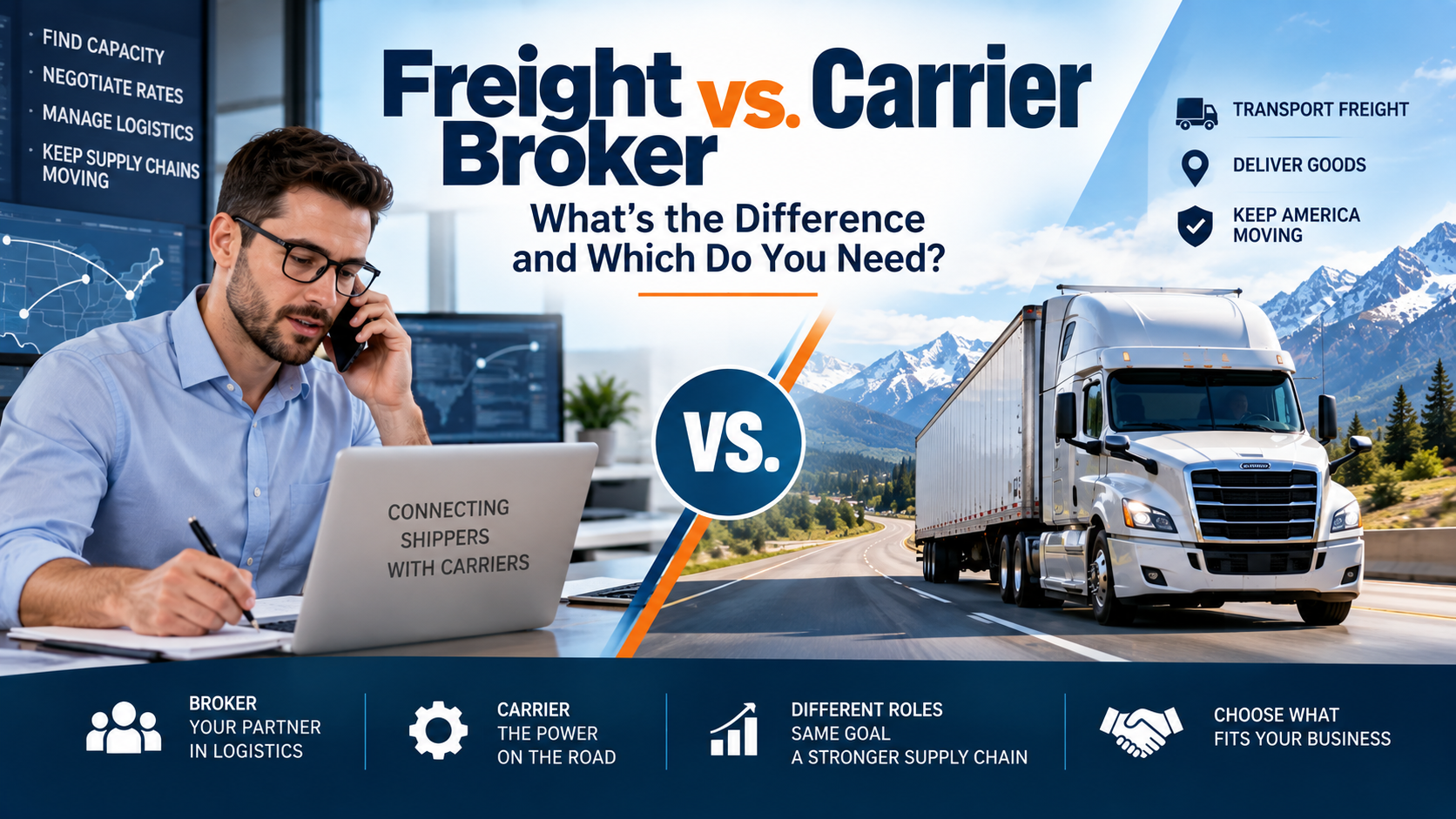
WTM Logistics · Canadian domestic freight brokerage Freight Broker vs Carrier: Choose the Right Shipping Arrangement A carrier physically moves your freight; a broker arranges its transportation. WTM offers transportation services and Canadian domestic freight brokerage. Send the load, route and deadline to assess the arrangement that fits your shipment. Call dispatch: 587-316-2639 Request a Freight Quote Name *Email *PhonePickup, delivery and shipment details *Request My Freight Quote → WTM confirms availability, price and timing before booking. Privacy policy If you’re shipping goods in or out of the Peace Region, understanding this difference isn’t just helpful. It’s essential. What Is a Freight Carrier? A carrier is the company that physically transports your freight. It may use owned or leased equipment and employed or contracted drivers. When comparing providers, confirm which carrier will move the shipment and what service has been agreed. Carriers offer services according to their operating coverage and available capacity. Some also provide brokerage. If a provider cannot move your shipment on its own equipment, ask whether it can arrange another carrier and how that changes the booking. What Is a Freight Broker? A freight broker arranges transportation between a shipper and a carrier. A business can offer both carrier and brokerage services, so owning trucks does not rule out brokerage. The important distinction is whether the company is transporting your particular shipment or arranging another carrier to move it. Think of a freight broker like a travel agent. You tell them where you need to go, what you’re carrying, and when it needs to arrive. They do the legwork to find you the best option- fast. For a shipment involving Dawson Creek, ask a broker about lane availability, seasonal constraints and the proposed delivery plan. Regional knowledge can help planning, but it does not eliminate delays. Broker vs. Carrier: A Side-by-Side Look Here’s a simple way to see how they differ: Which One Do You Actually Need? This depends on your situation. Here are a few scenarios to help you figure it out. For a Dawson Creek business, either arrangement may fit. Compare the complete quote, available capacity, handling plan and delivery requirements. A broker is not automatically cheaper, and a direct carrier is not automatically the better fit. Three situations where brokerage can help A new destination outside your usual shipping pattern Give WTM the actual receiving address, available unloading equipment and deadline. A regular carrier relationship can still be useful; brokerage gives you a way to request another arrangement when the new job has different requirements. A load that does not fit your normal equipment One long bundle can change an otherwise straightforward pallet order. Supply each unit’s dimensions, weight, protection needs and loading method so enclosed, open-deck or separate movements can be assessed. No universal pallet count tells you when to change services. Several lanes or an urgent exception List the normal movements separately from the urgent load. A broker can assess sourcing and coordination, but the accepted capacity and collection time still need confirmation. Do not cancel an existing booking until the alternative and any cancellation implications are understood. What should you confirm before booking? Who will physically transport the shipment and who is your coordination contact? What load, equipment and receiving assumptions are included in the price? Are the transit time and receiving appointment estimates or accepted commitments? What happens if the supplier is late or the receiver cannot unload? Which shipment updates and delivery records are included? Request WTM’s Canadian domestic freight brokerage service with a real shipment, or use our freight RFQ template for several lanes. Why Location Matters More Than You Think Shipping from Dawson Creek isn’t the same as shipping from Vancouver. You’re dealing with longer hauls, fewer carrier options, weight restrictions during spring break-up, and weather that can change plans overnight. For northern BC freight, ask about route conditions, available equipment, delivery access and contingency arrangements. Assess the specific plan rather than assuming every local broker has backup capacity or every national carrier lacks regional knowledge. Does Using a Broker Cost More? A broker may include its compensation in the transportation price or quote a separate fee. Whether that costs more or less than booking directly depends on the shipment and available offers. Compare the total price, handling plan, service conditions and coordination provided. On top of that, you save hours of phone calls, emails, and tracking down truck availability on your own. That time has real value too. Ready to Stop Guessing and Start Shipping Smarter? Service update: October 13, 2026. WTM Logistics introduced Canadian domestic freight brokerage on October 1, 2026, alongside its transportation services. Businesses shipping to or from Dawson Creek can request an assessment of their lane, shipment size, equipment and timing requirements. Specific options and capacity must be confirmed for each booking. Request a freight quote with your origin, destination, ready date, commodity, piece count, packed dimensions and weights. Include loading and unloading arrangements at both ends. Confirm the operating carrier, included charges and shipment-update process before booking. FAQ: Freight Broker vs. Carrier in Dawson Creek Q1. What does a freight broker in Dawson Creek actually do? A1. A freight broker arranges transportation with a carrier. Confirm the sourcing, booking, communication and document support included in the service. The shipper still supplies accurate load details and prepares the goods for the agreed collection. Q2. Is a freight broker more expensive than booking a carrier directly? A2. It depends on the lane, capacity, shipment and services included. Brokerage compensation may be included in the price or charged separately. Compare complete quotes on the same assumptions; neither lower cost nor fewer delays is guaranteed. See what a freight quote includes. Q3. Can a freight broker handle shipments to remote locations in northern BC? A3. Some brokers can arrange remote deliveries, but coverage is shipment-specific. Provide the exact destination, access restrictions and unloading arrangements. Confirm carrier acceptance and timing before booking. Q4. How is a freight broker different from a freight forwarder? A4. The
Explore More